Senior Homes in Prince Edward Island
Retirement homes & senior living communities in Prince Edward Island
89 communities across 19 cities in Prince Edward Island
Browse by Type
Communities in Prince Edward Island
Affordable Family Home Care Services
Summerside, PE
Contact for pricing: (902) 201-2570

Andrews of Charlottetown
Charlottetown, PE
4.2Contact for pricing: (902) 201-2570
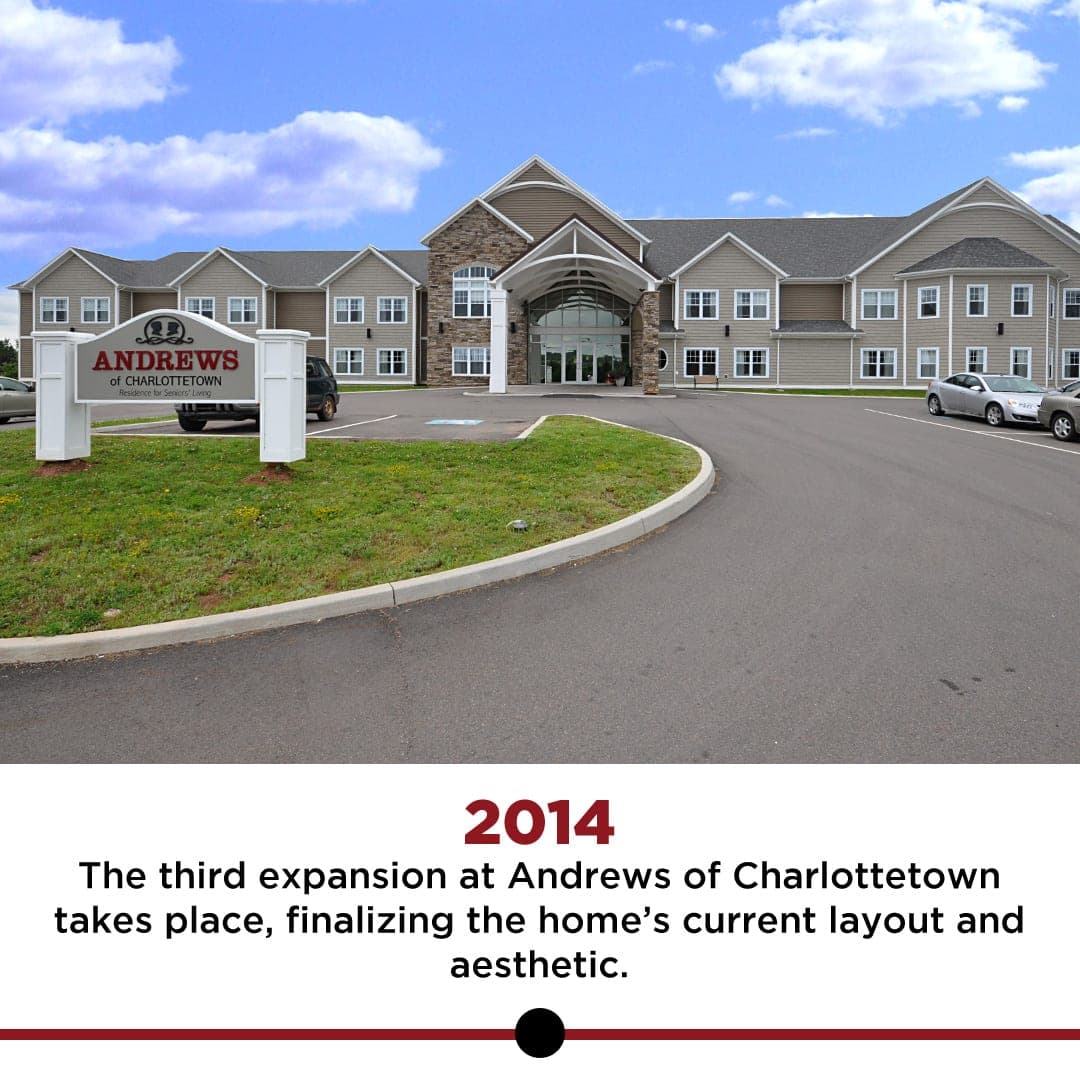
Andrews of Park West
Charlottetown, PE
3.6Contact for pricing: (902) 201-2570
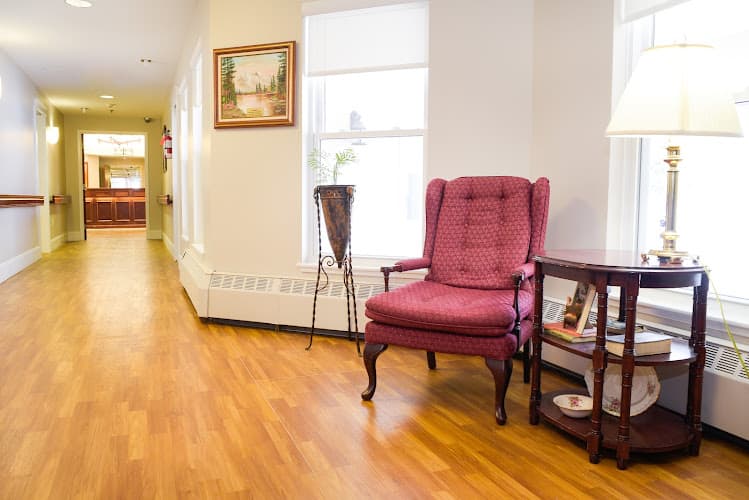
Andrews of Parkhill
Summerside, PE
3.0$3,551 – $5,783/moest.
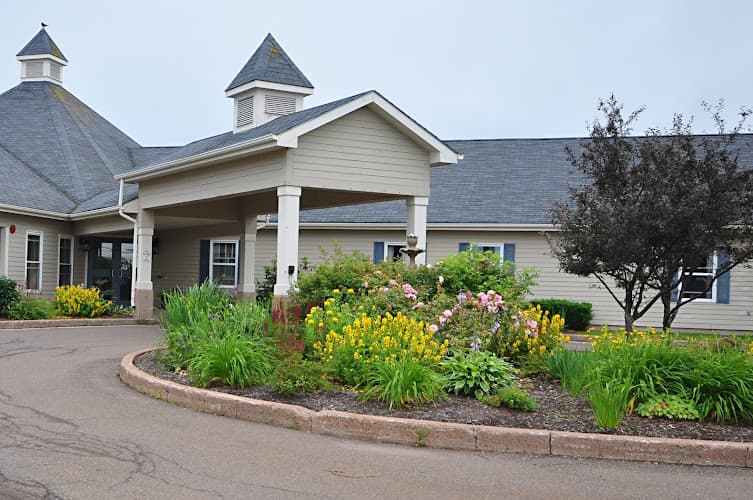
Andrews of Summerside
Summerside, PE
5.0$2,975 – $4,845/moest.

Bayshore Home Health
Charlottetown, PE
5.0Contact for pricing: (902) 201-2570
Cities in Prince Edward Island
Prices mentioned below are SeniorHome.ca estimates, not rates published by the communities. Ask each community for its current rates.
Senior homes in Prince Edward Island: a provincial guide
SeniorHome.ca lists 49 senior homes across Prince Edward Island, with an overall median starting rate of $3,009 a month. Starting prices range from about $2,378 a month for independent living to roughly $3,890 for homes offering palliative care, and most Island options are concentrated in Summerside (18 communities) and Charlottetown (14). Public long-term care beds are not booked directly with a home: placement runs through a Health PEI Home Care assessment.
Types of senior homes in Prince Edward Island and what they're called locally
Islanders usually say nursing home rather than "long-term care home." Health PEI's own publicly run homes are mostly called manors — Summerset Manor and Wedgewood Manor in Summerside, Riverview Manor in Montague, Colville Manor in Souris, Maplewood Manor in Alberton, Stewart Memorial Home in Tyne Valley, plus Beach Grove Home and Prince Edward Home in Charlottetown. Privately run homes are licensed either as nursing homes or as community care facilities, which provide supportive care rather than 24-hour nursing, and are often marketed as assisted living or retirement residences.
- Nursing homes in PEI (12) — 24-hour nursing care, room and board, personal care and medical services, in both public and private homes.
- Assisted living (6) — help with bathing, dressing, medications and meals in a community care setting.
- Independent living (8) and retirement residences (3) — private apartments or suites with meals, housekeeping and activities, and little or no hands-on care.
- Memory care (5) — secured households and programming for Alzheimer's disease and other dementias.
- Respite care (6) — short stays that give family caregivers a break; Health PEI also keeps designated respite beds, including at Margaret Stewart Ellis Home in O'Leary and Stewart Memorial Home in Tyne Valley.
- Palliative care (2) and home care providers (3) — end-of-life support and services delivered where someone already lives.
What senior homes cost in Prince Edward Island
Median estimated starting rates in our PEI listings, by care type (some communities do not have a price estimate, so counts of priced homes are shown):
- Independent living: $2,378 a month (7 of 8 priced)
- Nursing homes and assisted living: $3,449 a month each (11 of 12 and 4 of 6 priced)
- Respite care: $3,483 a month (5 of 6 priced)
- Memory care and retirement residences: $3,686 a month (4 of 5 and 2 of 3 priced)
- Palliative care: $3,890 a month (1 of 2 priced)
Between the two largest centres, senior homes in Summerside start lower (median $2,975 across 18 communities) than senior homes in Charlottetown (median $3,890 across 14). Smaller markets vary widely: Kensington sits at $3,686 across four communities, Montague at $2,975 and Souris at $2,226. For a fuller breakdown see the cost of senior living in Prince Edward Island, or compare provinces using our Canada-wide cost guide. In licensed long-term care, the province sets what residents pay for accommodation: the current daily rate is $116.96 for a semi-private room, roughly $3,560 a month, and rates may differ in privately run homes.
Public long-term care and home care
Long-term care and home care are run by Health PEI, with the Department of Health and Wellness setting policy. To be considered for a nursing home bed, you contact the Home Care Program, and a Care Coordinator meets with you to assess your care needs. Home Care offices are in Charlottetown (902-368-4790), Summerside (902-888-8440), Montague (902-838-0786), Souris (902-687-7096) and O'Leary (902-859-8730). Health PEI advises that only people ready to move into a home now should apply.
Eligibility for admission requires being a PEI resident with a valid PEI Health Card, Canadian citizenship or landed immigrant status, and presence in PEI for three months or more; the Director of Long-term Care can consider exceptional cases. You may ask to be on the wait list for up to three homes, your choices are given equal priority, and your place is set by the date you were approved for long-term care — so list only homes you would actually move into.
Accommodation costs are income-tested through the Long-Term Care Subsidy Program, which helps eligible Islanders pay for room and board. The subsidy is based on net income from last year's Notice of Assessment, with an income threshold of $44,250.40; assets such as a house are not counted, and the subsidy equals the threshold minus your income. Approved residents also receive a $130 monthly comfort allowance and can enrol in the Nursing Home Drug Program. A Home Care LTC Placement Coordinator provides the application once you have been assessed; questions go to 902-218-3891. Subsidies for community care facilities are handled separately through the Social Assistance Program.
If the goal is staying home longer, Home Care can provide nursing, home support, social work, dietitian, physiotherapy and occupational therapy services. Health PEI also runs Adult Day Programs, the COACH program for frail seniors with complex needs, a Geriatric Program, a Dementia Specialty Team and Seniors Mental Health Resource Teams. Caregivers whose family member is at high likelihood of nursing home admission can ask about the At Home Caregiver Benefit through the screening line at 1-877-569-0546.
Regulation and how to check a home
Community care facilities and private nursing homes are licensed under the Community Care Facilities and Nursing Homes Act, administered by the Community Care Facilities and Nursing Homes Board, with inspections by the Department of Health and Wellness. The province publishes a list of licensed facilities together with inspection reports, and private nursing homes must meet the Operational and Care Service Standards for Private Nursing Homes. A home may hold a provisional licence, which means it has not met all of the province's standards of care — worth asking about directly.
- Ask for the current licence type and the most recent inspection report.
- Confirm what the monthly rate includes and what is billed extra.
- Ask about staffing at night, and how dementia behaviours and end-of-life care are handled.
- Visit at a meal time, and check that the location suits frequent visits.
Where to start
Call your regional Home Care office to request an assessment if nursing home care may be needed; this is the only route to a public bed and to the subsidy. For general health questions, 8-1-1 connects you with a registered nurse 24 hours a day, seven days a week (7-1-1 for TTY users). Meanwhile, shortlist private options by town and care type on this page, then book a free care assessment to narrow the list to homes that can meet your family member's needs and budget.
Sources
- Long-Term Care – Health PEI, Government of Prince Edward Island
- Long-Term Care Subsidy Program – Health PEI
- Home Care, Long-term Care, and Palliative Care (programs and provincial homes) – Health PEI
- Home Care Program service description – 211 PEI
- Seniors in Care (community care and long-term care) – Government of Prince Edward Island
- Public Health and Safety – Community Care and Private Nursing Home Facilities and Inspection Reports
- Community Care Facilities and Nursing Homes Act
- Multiple private long-term care homes on P.E.I. failing to meet standards – CBC News