Senior Homes in Nova Scotia
Retirement homes & senior living communities in Nova Scotia
398 communities across 115 cities in Nova Scotia
Browse by Type
Communities in Nova Scotia

Accurate Hearing
Dartmouth, NS
5.0Contact for pricing: (902) 201-2570

Accurate Hearing
Lower Sackville, NS
5.0Contact for pricing: (902) 201-2570
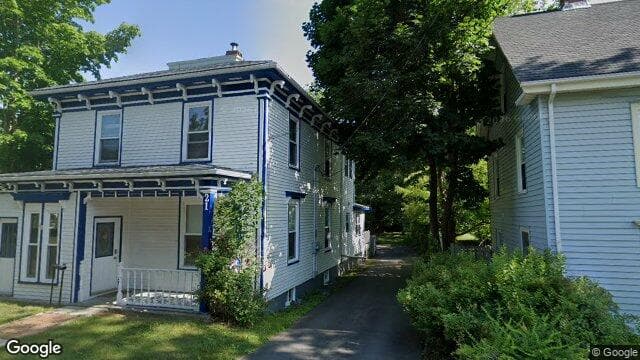
Adassa's Respite
Hantsport, NS
Contact for pricing: (902) 201-2570
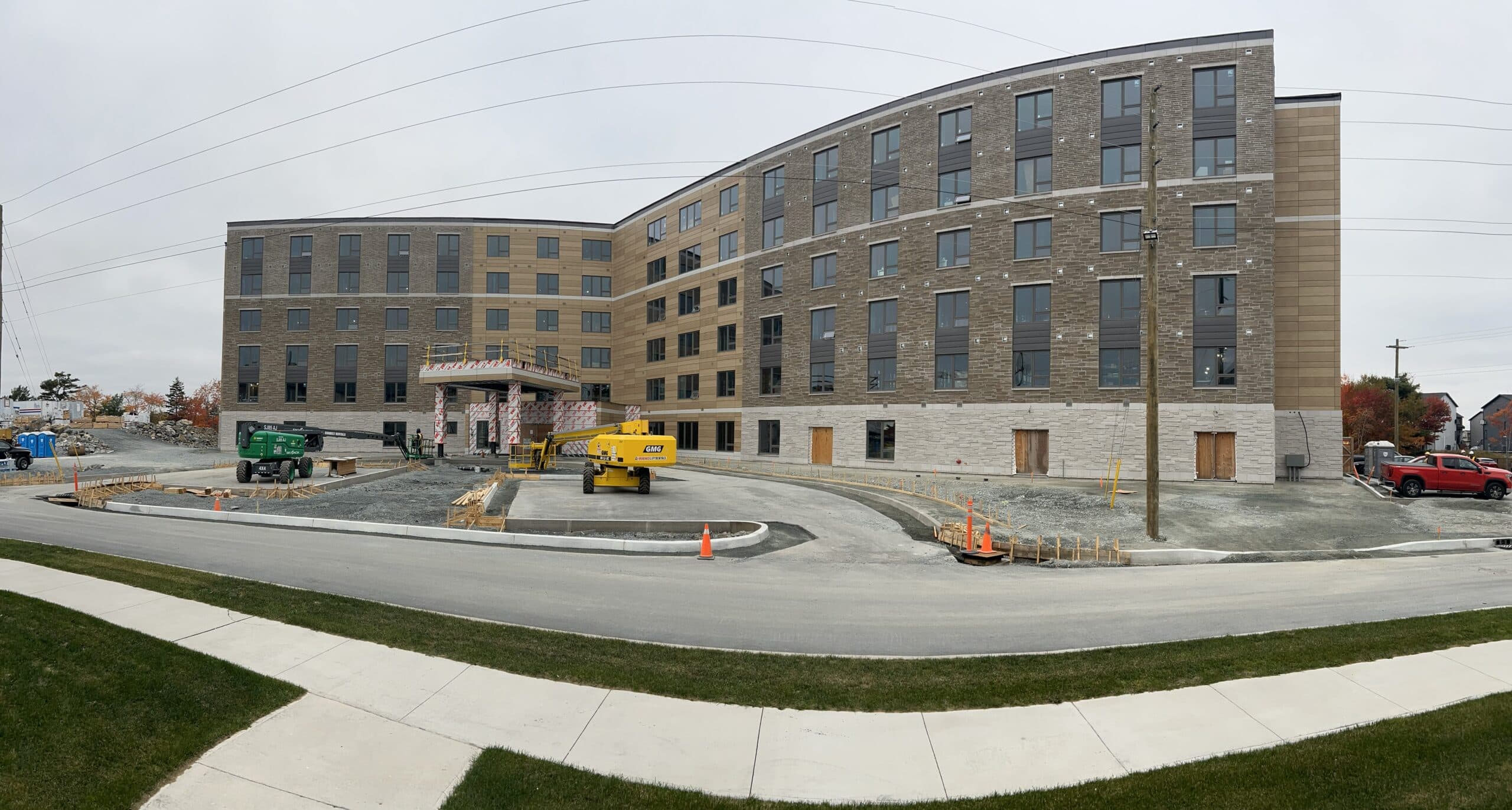
Adeline Hall
Halifax, NS
$1,797 – $3,055/moest.
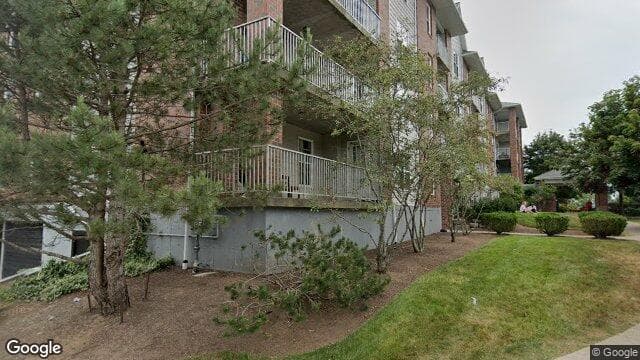
Aljo Care Crew
Halifax, NS
5.0Contact for pricing: (902) 201-2570
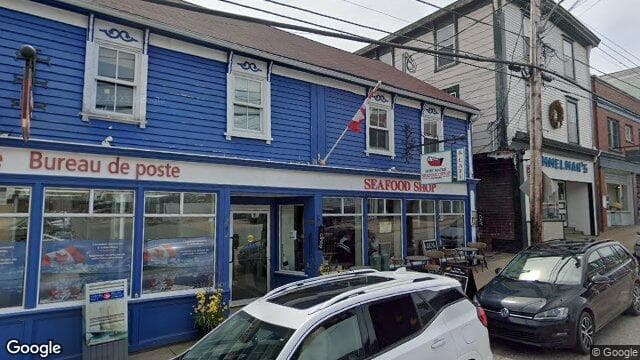
Amaze Health Care
Lunenburg, NS
5.0Contact for pricing: (902) 201-2570
Cities in Nova Scotia
Halifax
50Sydney
28Dartmouth
26Truro
23Bedford
21Yarmouth
20Bridgewater
18Antigonish
13Kentville
13Glace Bay
12New Glasgow
11Amherst
10Berwick
9Windsor
9Lower Sackville
7Wolfville
5Lunenburg
4Middleton
4North Sydney
4Pictou
4Port Hawkesbury
4Digby
3Enfield
3Hammonds Plains
3Kingston
3Meteghan
3New Minas
3New Waterford
3Stellarton
3Sydney Mines
3Arichat
2Barrington
2Dayspring
2Dayton
2Lockeport
2Mira Road
2New Germany
2Sydney River
2Tatamagouche
2Trenton
2Upper Tantallon
2Westville
2Advocate Harbour
1Annapolis Royal
1Antigonish Landing
1Barss Corner
1Beaver Bank
1Bridgetown
1Brookfield
1Caledonia
1Canso
1Chester
1Christmas Island
1Coddles Harbour
1Cole Harbour
1Cookville
1Currys Corner
1Debert
1East Stewiacke
1Elmsdale
1Fall River
1Falmouth
1Five Islands
1Garlands Crossing
1Glenwood
1Grand Lake Road
1Greenwich
1Greenwood
1Guysborough
1Hantsport
1Inverness
1Lingan Road
1Liverpool
1Lower Shinimicas
1Margaree Valley
1Marriotts Cove
1Middle Musquodoboit
1Middle Sackville
1Middlefield
1Musquodoboit Harbour
1Noel
1Parrsboro
1Pugwash
1River John
1Seabright
1Sheet Harbour
1Shelburne
1Shubenacadie
1South Berwick
1Springhill
1Tusket
1Upper Nine Mile River
1Whites Corner
1Wilmot
1Arcadia
Aspen
Baddeck
Brass Hill
Castle Bay
Cheticamp
Conway
Dominion
Eskasoni 3
Lantz
Lower West Pubnico
Neil'S Harbour
Paradise
Saint Peter's
Sherbrooke
South Ohio
St Peters
Upper Hammonds Plains
West Dublin
Weymouth
Yarmouth 33
Prices mentioned below are SeniorHome.ca estimates, not rates published by the communities. Ask each community for its current rates.
Senior homes in Nova Scotia: a provincial guide
SeniorHome.ca lists 204 senior homes and senior care providers across Nova Scotia, with an overall median starting rate of $2,104 per month. Private retirement homes, independent living and assisted living suites generally start between $2,000 and $2,200 a month, while secure memory care starts higher, around $2,782. Publicly funded long-term care beds and home care are arranged separately through Continuing Care, and what you pay is set by the province and tested against your income.
Types of senior homes in Nova Scotia and what they are called locally
Nova Scotia uses two official labels for publicly funded facilities. Nursing homes are for people who are medically stable but whose nursing needs cannot be met at home, and they provide nursing and personal care 24 hours a day, medication administration and help with daily living. Residential care facilities sit a step below: they offer personal care, supervision and accommodation for people who need more than home care but not nursing home care, and residents must be able to self-evacuate in an emergency. Marketing terms such as "retirement residence" or "assisted living" are used by private operators and are not official provincial categories, so always ask what level of care a building is licensed and staffed to provide.
- Nursing homes in Nova Scotia — 57 listed, for 24-hour nursing care
- Assisted living in Nova Scotia — 29 listed, for help with bathing, dressing and medications
- Retirement residences in Nova Scotia — 24 listed, rental housing with meals and services
- Independent living in Nova Scotia — 18 listed, for seniors who need little or no daily care
- Memory care in Nova Scotia — 22 listed, secured dementia support
- Respite care in Nova Scotia — 36 listed, short stays that give caregivers a break
- Home care in Nova Scotia — 31 providers, plus 8 adult day programs
What senior homes cost in Nova Scotia
Starting rates on SeniorHome.ca are the lowest advertised monthly price for a suite or service package, before extra care fees. Across the province the median is $2,104. By care type, retirement residences start at a median of $2,019 and nursing home listings at $2,010, assisted living at $2,189, independent living at $2,083, respite care at $2,168, home care packages at $2,068 and palliative care at $2,281. Memory care is the most expensive category at a median of $2,782, reflecting higher staffing ratios and secured design.
City differences are modest by Canadian standards. Halifax senior homes (21 communities) have a median starting rate of $2,165, close to Dartmouth and Yarmouth at $2,211 each and Bridgewater at $2,165. Sydney has the largest selection in the province at 22 communities with a median of $2,106, and Bedford is lower at $2,000 across 18 communities. Truro sits at $2,184 and Kentville at $2,147, while New Glasgow is the highest of the larger centres at $2,509. Compare the details on our cost of senior living in Nova Scotia page or across Canada.
Publicly funded long-term care is priced differently. The Department of Health and Wellness sets standard accommodation charges annually; under the rates effective March 1, 2026, the maximum daily charge is $114.00 a day in a nursing home and $68.00 a day in a residential care facility, with respite charged at $42.80 a day.
Public long-term care and home care
Both long-term care placement and home care run through Continuing Care. To apply for a nursing home or residential care facility, you call Continuing Care toll-free at 1-800-225-7225 to learn the application process and arrange for a Care Coordinator to assess your care needs. The same number starts a home care assessment; home care is offered through the Nova Scotia Health Authority and is always the first option for care in the community, covering home support such as personal care, respite and essential housekeeping, plus nursing visits.
Costs are shared. In long-term care, the department pays the health care costs while the resident pays accommodation and personal expenses; residents who can pay the full standard charge do not need a financial assessment, and those who cannot can apply for an income-based reduction. The rate schedule protects a minimum retained income of $366.00 a month and a spousal income threshold of $29,811.00 a year for a spouse still living at home. For home care, charges depend on your income and the services you need, and some services such as nursing are free, with a Care Coordinator confirming costs at the assessment. Demand can exceed supply in some areas, and a Care Coordinator will keep you informed if you are placed on a wait list.
Regulation and how to check a home
The Department of Health and Wellness licenses nursing homes and residential care facilities under the Homes for Special Care Act. Licensing inspections are unannounced and happen at least twice a year for nursing homes and once a year for residential care facilities, against roughly 400 requirements covering resident care, administration, service quality and physical space. Inspection reports are published online and list areas where inspectors found violations, though the department notes deficiencies are common, may already be resolved, and specific questions should be directed to the facility. Before you sign anything with a private retirement home, ask whether it is licensed, what happens when care needs increase, and how fees change.
Where to start
- Call Continuing Care at 1-800-225-7225 to request an assessment, whether you want help at home or a long-term care bed.
- Ask about the financial assessment if the standard accommodation charge is out of reach.
- Shortlist privately paid options in parallel, starting with your own community and the nearest larger centre, such as New Glasgow or Wolfville.
- Tour two or three homes at a mealtime, and read the most recent inspection report for any licensed facility.
- Get help matching needs to care levels with a free care assessment.