Senior Homes in Manitoba
Retirement homes, seniors housing & senior living communities in Manitoba
961 communities across 98 cities in Manitoba
Browse by Type
Communities in Manitoba
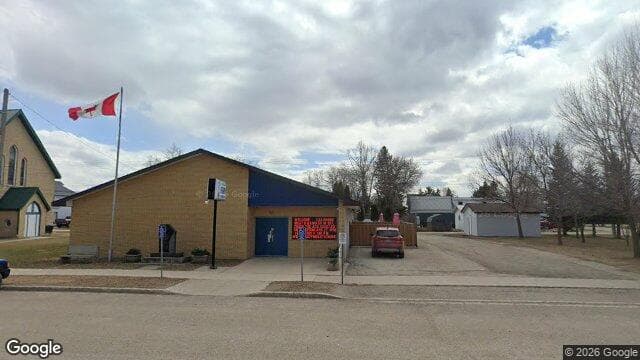
110 Legion Place
Gladstone, MB
Contact for pricing: (431) 300-5675
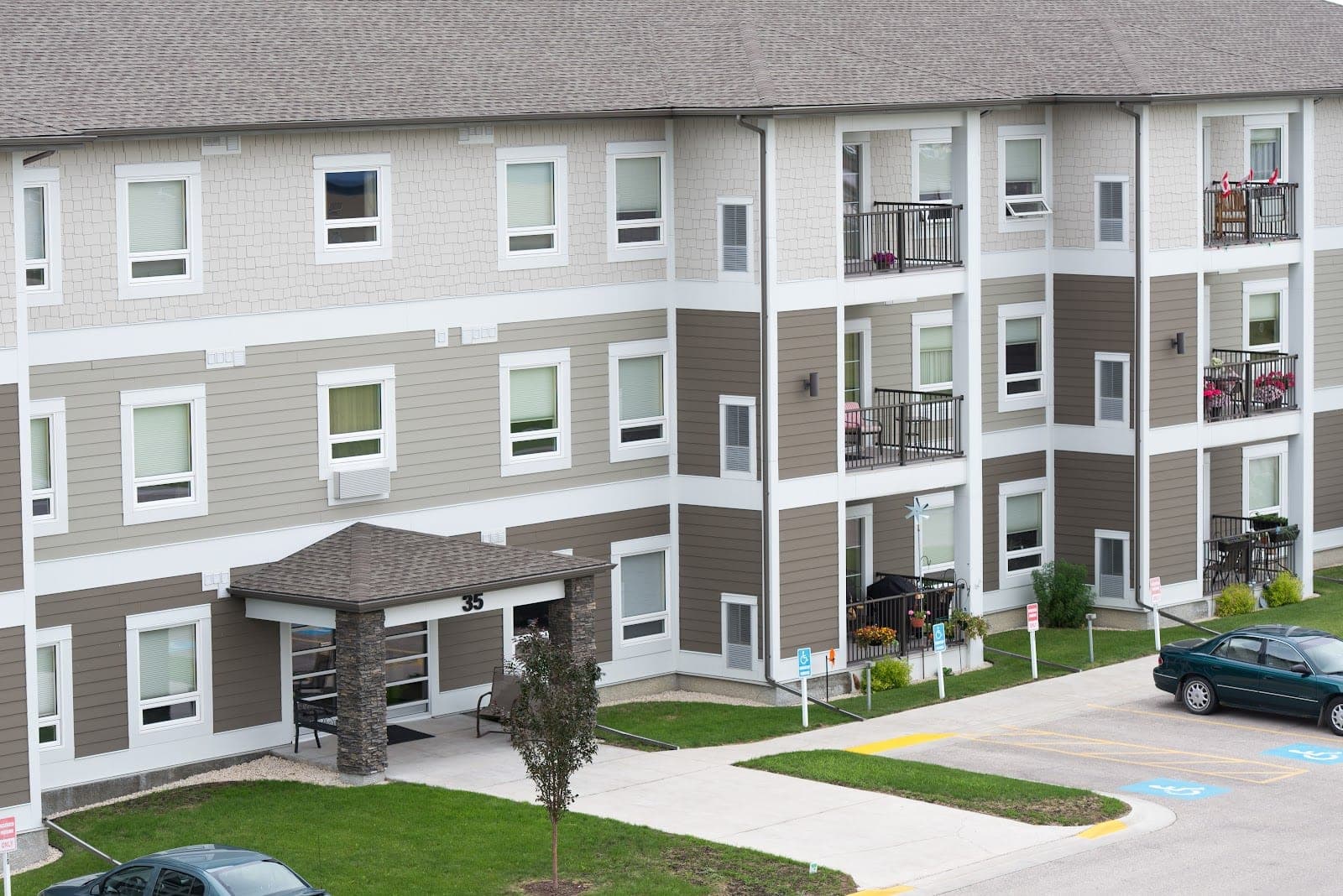
35 Heartland Trail, Heartland Estates Phase 1
Headingley, MB
5.0Contact for pricing: (431) 300-5675
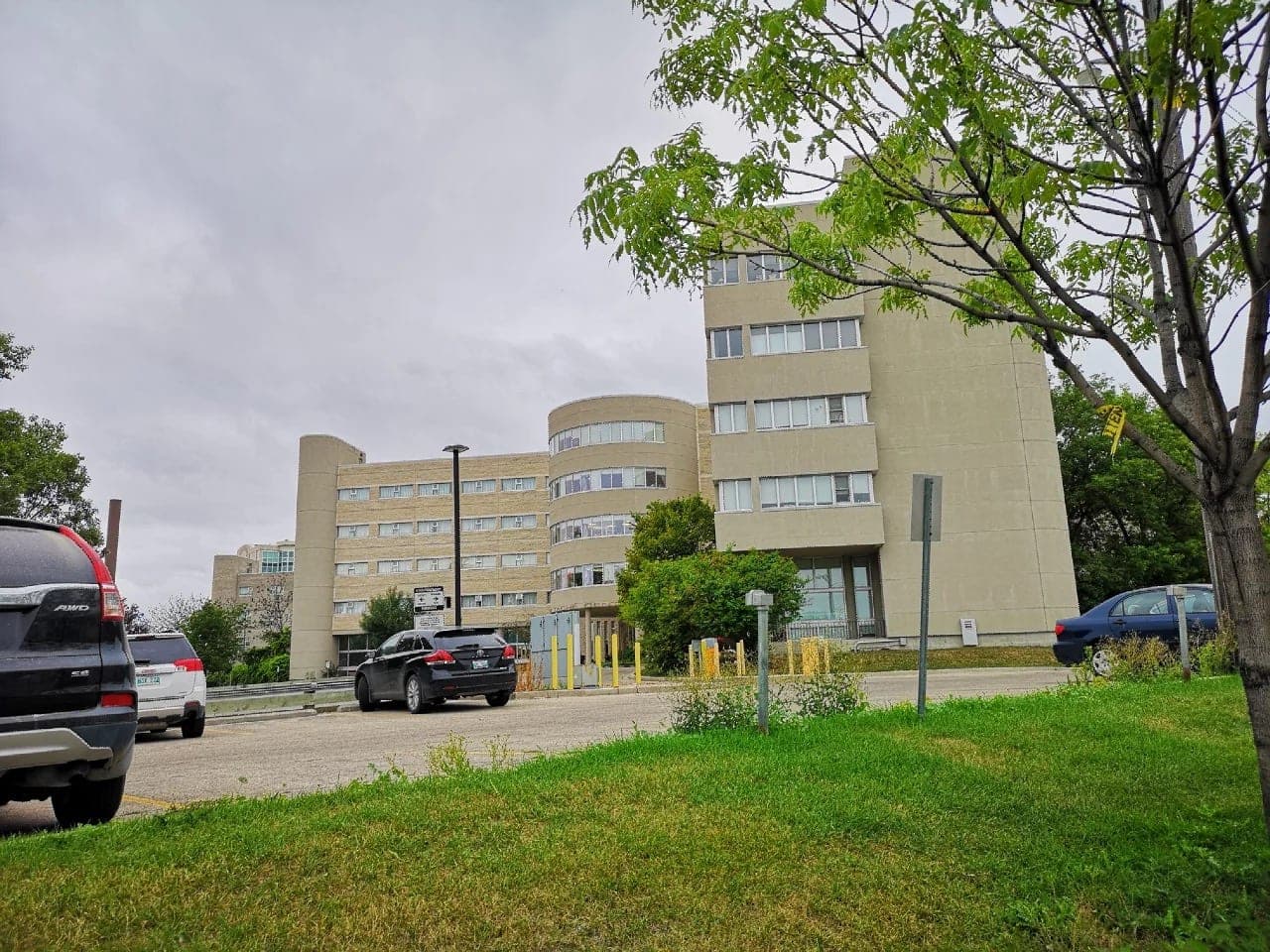
Actionmarguerite Saint-Boniface
Winnipeg, MB
3.6From $1,256/moest.

Actionmarguerite St Joseph
Winnipeg, MB
4.2From $1,130/moest.

Actionmarguerite St Vital
Winnipeg, MB
4.2From $1,344/moest.
AquilCare Home Health
Winnipeg, MB
5.0Contact for pricing: (431) 300-5675
Advertisement
Cities in Manitoba
Winnipeg
340Brandon
52Steinbach
43Selkirk
35Portage la Prairie
34Dauphin
25Winkler
18Morden
17Carman
14Neepawa
14Niverville
14Virden
14Altona
13Oakbank
13Swan River
13The Pas
13Thompson
13Gimli
12Stonewall
12Flin Flon
11Beausejour
10Grunthal
10Arborg
9Ashern
7Hamiota
7Minnedosa
7Morris
7Roblin
7Russell
7Souris
7Teulon
7Deloraine
6Killarney
6Lac Du Bonnet
6MacGregor
6Pilot Mound
6Boissevain
5Carberry
5Erickson
5Melita
5Powerview-Pine Falls
5Birtle
4Reston
4Rossburn
4Sanford
4Shoal Lake
4Ste. Anne
4Eriksdale
3Fisher Branch
3Glenboro
3Hartney
3Rivers
3Saint Laurent
3Ste. Rose Du Lac
3Vita
3West Saint Paul
3Winnipegosis
3Cartwright
2Elkhorn
2Fort Alexander
2Gladstone
2Headingley
2Lorette
2Norway House
2Notre Dame De Lourdes
2Somerset
2Anola
1Baldur
1Benito
1Blumenort
1Elie
1Emerson
1Hodgson
1Homewood
1Lundar
1Manitou
1McCreary
1Miniota
1Mitchell
1Nelson House
1Oak Lake
1Paradise Village
1Pinawa
1Rapid City
1Riverton
1Saint Andrews
1Sandy Lake
1Scanterbury
1St. Claude
1Starbuck
1Tolstoi
1Treherne
1Victoria Beach
1Wawanesa
1Whitemouth
1Lynn Lake
Shilo
South Junction
Seniors housing in Manitoba
Housing options for seniors in Manitoba range from 55+ and independent-living apartments to retirement homes, assisted living and long-term care.
- 50+ and 55+ communities (24)
- Independent living (72)
- Retirement homes (66)
- Assisted living (39)
- Long-term care (134)
Subsidized seniors housing in Manitoba
- Manitoba Housing rents apartments to seniors 55 and over, with affordable and subsidized options for low to moderate incomes.
- Social Housing Assisted Living (SHAL) at Ellice Place in Winnipeg: affordable assisted living for seniors 60+, with meals, housekeeping and activities.
Official information: Manitoba Housing, Province of Manitoba
Prices mentioned below are SeniorHome.ca estimates, not rates published by the communities. Ask each community for its current rates.
Senior homes in Manitoba: a provincial guide
SeniorHome.ca lists 403 senior homes and senior care providers across Manitoba, from retirement apartments in Winnipeg to personal care homes in small prairie and northern towns. Across the listings we have priced, the estimated median starting cost is about $1,817 per month — a SeniorHome.ca estimate, not a rate published by the communities. What a family pays depends on the type of home: private retirement residences charge rent plus service fees, while publicly funded long-term care is income-tested and set by the province.
Types of senior homes in Manitoba and what they're called locally
Manitoba Health groups seniors' housing into three broad types: independent living, housing with supports (also called supportive housing or assisted living), and the personal care home, which is the provincial term for a nursing home or long-term care home. Families often hear the short form "PCH" in hospital discharge meetings.
- Independent living and retirement residences — apartment-style buildings for people who manage on their own, sometimes with meals, housekeeping or a personal emergency response system. Provincial guidance notes these buildings have private tenancies under The Residential Tenancies Act and are not an insured health service, so tenants pay the rent and service fees. See independent living in Manitoba (58 listings) and retirement residences in Manitoba (59 listings).
- Assisted living and supportive housing — in supportive housing the tenant pays rent and a service package, while the regional health authority covers the personal care delivered through home care; eligibility is assessed through the RHA's home care program. Browse assisted living in Manitoba (32 listings).
- Personal care homes (nursing homes) — 24-hour nursing and daily care for people who can no longer manage at home. Manitoba Health lists 124 licensed personal care homes province-wide; our directory shows 132 nursing home listings in Manitoba, including hospital-attached and faith-based sites.
- Specialized and short-term options — memory care in Manitoba (8), respite care (20), palliative care (16), adult day programs (23) and home care providers (50) round out the picture.
What senior homes cost in Manitoba
All figures below are SeniorHome.ca estimates of the median starting cost per month, drawn from the listings we have priced. They are budgeting starting points, not quoted rates, and the sample behind each care type is small.
- Assisted living: an estimated median starting cost of $2,044 a month (estimated from 14 priced listings).
- Independent living: an estimated $1,965 a month (from 25 priced listings) — the deepest sample we have.
- Retirement residences: an estimated $1,817 a month (from 8 priced listings).
- Home care: an estimated $1,457 a month for private service (from 20 listings).
- Nursing homes: an estimated $1,319 a month (from 16 listings). This sits below private rents because personal care home charges in Manitoba are income-tested, not market-priced.
By city, senior homes in Winnipeg (125 communities) carry an estimated median starting cost of $1,774 a month — close to the provincial figure, with far more choice. Brandon (21 communities) is the most affordable larger centre at an estimated $1,457, while Portage la Prairie (17) and Steinbach (24) run higher at an estimated $1,983 and $1,932, where newer buildings lean toward independent and assisted living. Smaller markets such as Selkirk have too few priced listings for a reliable median. For a fuller breakdown, see our guide to the cost of senior living in Manitoba.
Public long-term care and home care: who runs it and how to apply
Home care and long-term care are delivered by Manitoba's five regional health authorities: the Winnipeg Regional Health Authority, Prairie Mountain Health, Southern Health–Santé Sud, Interlake-Eastern RHA and the Northern Health Region. Home care is open to Manitoba residents of any age who are registered with Manitoba Health, need health services or help with daily activities, and need more help than family, friends and community resources can provide; an assessment determines the services you qualify for.
That same program is the door to long-term care: access to a personal care home runs through your RHA's home care program, where a case co-ordinator completes an assessment in your home and helps you apply. If the person is already in hospital, ask to speak with the social worker. Insured personal care home services include meals and special diets, help with bathing, dressing and toileting, nursing care, routine medical supplies, drugs covered under the Personal Care Home Program, and laundry, linen and housekeeping.
Manitoba Health pays the majority of the cost through the RHAs; the resident pays a daily residential charge based on net income from the most recent Canada Revenue Agency Notice of Assessment, including a spouse or partner's income. For the 2024–25 rate year the province set the minimum at $41.80 per day and the maximum at $101.10 per day, with clients keeping $400 a month in disposable income. Reduced rates can be applied for by submitting the required forms.
Regulation and how to check a home
Personal care homes are licensed and monitored by Manitoba Health under The Personal Care Home Standards and Licensing Regulation, made under The Health Services Insurance Act, which sets out 26 standards covering admission, care plans, nursing and medical care, pharmaceutical care, recreation and spiritual care, staff education, and infection and disease control. Each licensed home is reviewed at least once every two years by Quality and Standards Officers with regional health authority representatives; reviews may be scheduled or unannounced, residents and families are often interviewed, and results feed into licensing decisions. Standards review reports are published publicly, and Manitoba's legislation does not permit an unlicensed personal care home.
Retirement residences, assisted living buildings and other private seniors' housing are not licensed under those regulations, so the checks are different: read the tenancy agreement and service package carefully, ask what triggers a fee increase or a move-out, and confirm what care is included versus billed separately.
Where to start
- Call home care first. Contact your regional health authority's home care program for an assessment — it is the gateway to subsidized hours, supportive housing and a personal care home panel.
- Shortlist by community, not just by city. Many families compare Winnipeg with nearby options in Steinbach, Selkirk or Oakbank, where availability and rents differ.
- Ask for the all-in monthly figure in writing — meals, care levels, laundry and parking — before comparing buildings.
- Use the provincial Seniors Information Line at 204-945-6565 in Winnipeg or 1-800-665-6565 toll-free in Manitoba, or email seniors@gov.mb.ca, for information and referral on seniors' programs; 211 Manitoba also connects families to local services.
- Match needs to a home. Our free care assessment helps narrow the list before you tour.
Sources
- Province of Manitoba – Personal Care Homes
- Province of Manitoba – Licensing and Standards of Personal Care Homes
- Manitoba Health, Seniors and Long-Term Care – Residential Charges in Manitoba Personal Care Services, Information Manual 2024-2025
- Province of Manitoba – Housing Options and Care Planning (Seniors)
- Province of Manitoba – Home Care Program (Better Health)
- Winnipeg Regional Health Authority – Home Care
- Your Guide to Home Care Services in Manitoba (Manitoba Health)
- Province of Manitoba – A Guide for the Caregiver (Seniors Information Line)