Senior Homes in Nunavut
Retirement homes & senior living communities in Nunavut
4 communities across 4 cities in Nunavut
Browse by Type
Communities in Nunavut
Baker Lake Hospice Society
Baker Lake, NU
Contact for pricing: (867) 877-5227
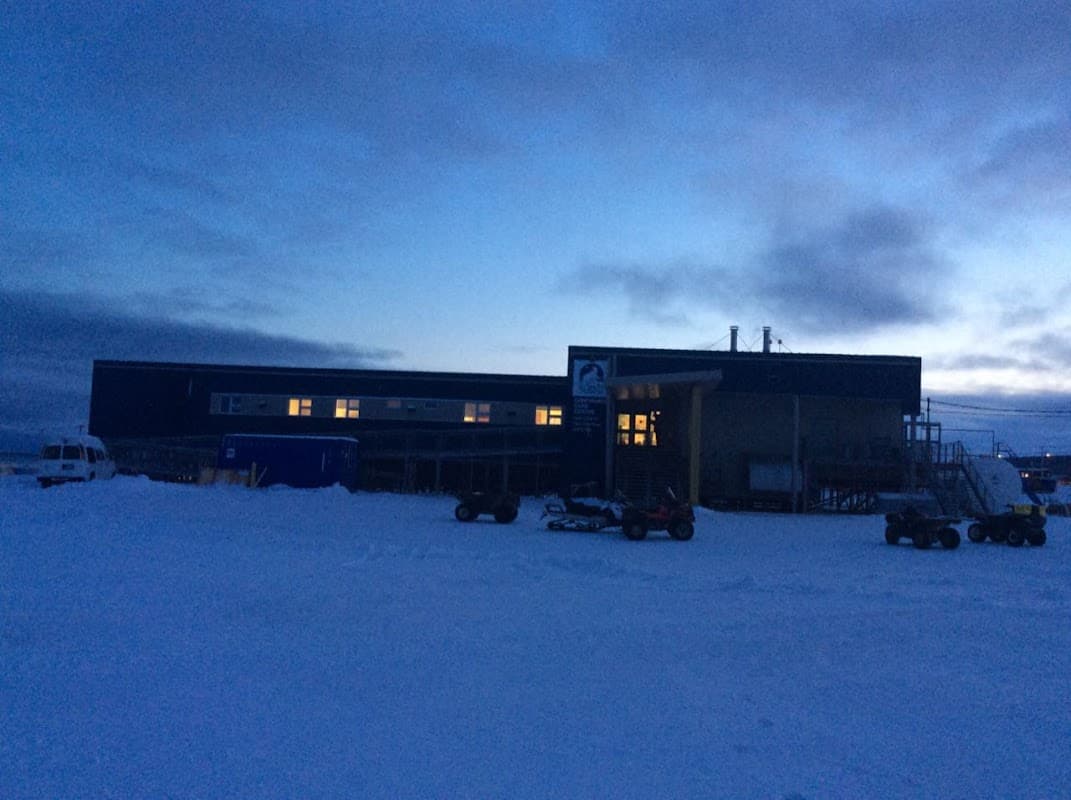
Continuing Care Centre
Igloolik, NU
5.0Contact for pricing: (867) 877-5227
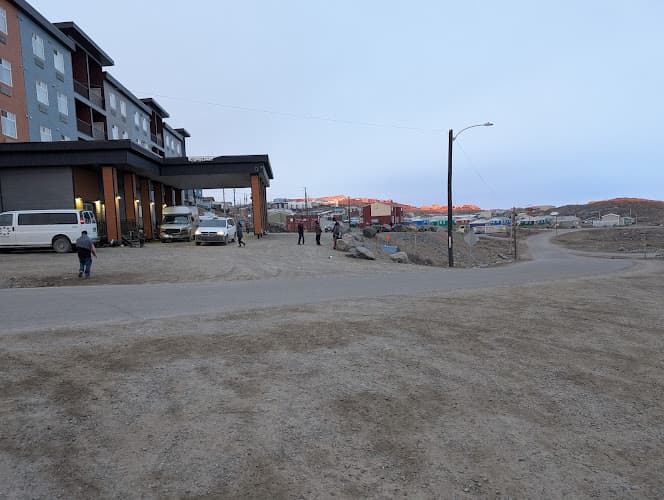
Sailijaaqvik Boarding Home
Iqaluit, NU
3.6Contact for pricing: (867) 877-5227
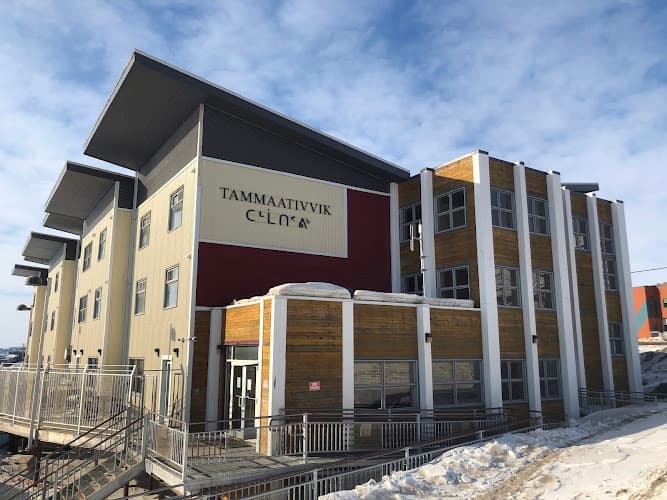
Tammaativvik Boarding Home
Iqaluit, NU
3.8Contact for pricing: (867) 877-5227
Cities in Nunavut
Senior homes in Nunavut: a provincial guide
SeniorHome.ca lists 24 senior homes and seniors' residences across Nunavut, concentrated in senior homes in Iqaluit (20 communities) with a small number in Baker Lake, Igloolik and Sanikiluaq. Nunavut has almost no private retirement home market: elders' housing and long-term care beds are funded and operated by the Government of Nunavut's Department of Health, and no median starting rate is published for the territory. For most families the first call is not a sales office but the local health centre, which starts the assessment that decides what care an elder can receive and where.
Types of senior homes in Nunavut and what they're called locally
Nunavut does not use the southern vocabulary of "retirement homes" and "assisted living suites." The territory's continuing care system is built on three pieces, and families will hear these names:
- Home and Community Care (HCC) — health and support services delivered in an elder's own home, based on an assessment, when extra help is needed because of illness, poor health or disability. The program is available through every community health centre.
- Elders Homes — small assisted-living residences. The Department of Health describes two Elders Homes, in Arviat and Iqaluit, with eight-bed capacity each, designated for Level 2 or Level 3 care — elders who are largely mobile but need daily support.
- Continuing Care Centres — residential long-term care for complex needs (Level 4 or 5). There are three centres, in Cambridge Bay, Igloolik and Gjoa Haven, with 28 beds combined.
Alongside these health facilities, communities have elders' and public housing and supportive living arrangements, and many senior homes listed on this site fall into that broader category rather than being nursing homes in the southern sense. National comparisons of long-term care terminology list Nunavut's settings as continuing care centres, nursing homes and elders homes.
What senior homes cost in Nunavut
Our Nunavut listings do not carry published starting rates, and no territory-wide median can be calculated from them — the honest answer is that there is no open-market monthly price list for senior homes in Nunavut the way there is in Ontario or Alberta. What drives an elder's costs instead is:
- Publicly funded care. Home and Community Care, Elders Homes and Continuing Care Centres are Department of Health programs; access depends on assessed care level and a valid Nunavut Health Care Card, not on ability to pay privately. Ask the Territorial Home and Continuing Care Program about any resident contribution before you plan a budget.
- Housing and living costs. Rent in elders' or public housing, food, fuel and travel are the real monthly numbers for most Nunavut families, and they vary sharply by community.
- Income supports. The Senior Citizen Supplementary Benefit pays a monthly $175 to low-income seniors in Nunavut, added to qualifying Old Age Security payments through the Income Assistance Program.
Because Iqaluit holds most of the territory's listed options, families comparing communities are usually comparing Iqaluit with staying closer to home in a smaller hamlet such as Baker Lake, Igloolik or Sanikiluaq — a decision about proximity to family and language, not about price tiers. See our guide to the cost of senior living in Nunavut and the national cost of senior living across Canada.
Public long-term care and home care
One government runs the whole continuum: the Department of Health. There are no regional health authorities purchasing beds as there are in other provinces.
- How to apply. Anyone can ask for home care through their community health centre or local home care office — no doctor's referral is required. A health professional then assesses what level of support is needed.
- Who qualifies for a bed. Elders Homes are for Nunavummiut aged 55 and over with a valid Nunavut Health Care Card assessed at Level 2 to 3 care; Continuing Care Centres are for those assessed at Level 4 to 5.
- Who decides. Admissions to the three Continuing Care Centres — or to a long-term care facility outside Nunavut — are made together by the client and family or guardian, the regional care team and the Department of Health's Territorial Continuing Care Coordinator, under the territory's prioritization criteria.
- Out-of-territory placement. Nunavummiut with more complex needs, particularly a dementia diagnosis, have been admitted to Embassy West Senior Living in Ottawa, which specializes in dementia care; the Department states these placements are always made in consultation with the elder's family or legal guardian.
Capacity is the central constraint. A territorial review counted 44 residential long-term care beds in Nunavut in 2014, and the Government's seniors framework sets objectives to expand home care access and residential options so elders can stay in their communities.
Regulation and how to check a home
Nunavut's Elders Homes and Continuing Care Centres are operated or funded by the Department of Health and governed through its assessment levels, admission prioritization criteria and program standards rather than through a public star-rating or inspection-report website. That makes direct questions the best tool. Before accepting a placement, ask:
- What care level is this home designated for, and what happens if my parent's needs increase?
- How many beds, and how is the waiting list prioritized?
- Is Inuktut spoken by staff, and are country food and Inuit cultural programming part of daily life?
- Who pays for travel for family visits, and what are the resident's own monthly costs?
For territorial-level answers, contact the Territorial Home and Continuing Care Program at 867-975-5941 or ltc@gov.nu.ca. For seniors' rental housing, ask to see the lease and the service list, since these are housing providers rather than health facilities.
Where to start
- Call the community health centre and request a Home and Community Care assessment — this is the gateway to everything else, including Elders Homes and long-term care.
- Confirm Nunavut Health Care Plan enrolment and the elder's age eligibility (55+) for residential programs.
- Call the Elder's Support Line at 1-866-684-5056, the Government of Nunavut's toll-free line for elders, if you need direction or support.
- Compare what is listed locally: Iqaluit senior homes and retirement homes, Baker Lake senior homes, Igloolik and Sanikiluaq.
- Plan the money early with our Nunavut cost of senior living page, and request a free care assessment if you want help matching care level to options.
If no bed is available in the territory, ask the Territorial Continuing Care Coordinator to explain every option in writing, including out-of-territory care, before deciding. A care assessment and a read of what senior homes cost nationally help you judge whether a southern placement is the only path.
Sources
- Home, Community, and Continuing Care – Government of Nunavut, Department of Health
- Home and Continuing Care – Government of Nunavut
- A-Z Programs & Services (Elder's Support Line; Senior Citizen Supplementary Benefit) – Government of Nunavut
- Elder Programs (Elders Support Line) – Government of Nunavut, Culture and Heritage
- Elders Homes and Continuing Care Centres – Government of Nunavut listing, Nunavut 211
- Canada-Nunavut Home and Community Care and Mental Health and Addictions Services Funding Agreement – Health Canada
- Continuing Care in Nunavut, 2015 to 2035 – Legislative Assembly of Nunavut tabled document
- Strategic Framework: Addressing the Needs of Nunavut Seniors – Legislative Assembly of Nunavut tabled document