Retirement Homes & Senior Homes in Iqaluit, NU
Retirement homes & senior living communities in Iqaluit
Iqaluit, the capital of Nunavut, offers a unique blend of community spirit and Arctic beauty, making it a distinctive place for senior living options. Families considering senior homes should be aware that while there are limited facilities, they often provide a close-knit environment with personalized care, reflecting the city's emphasis on cultural connection and support. It is essential to plan for accessibility and transportation, given the remote location and unique climate challenges.
2 communities found
Browse by Type
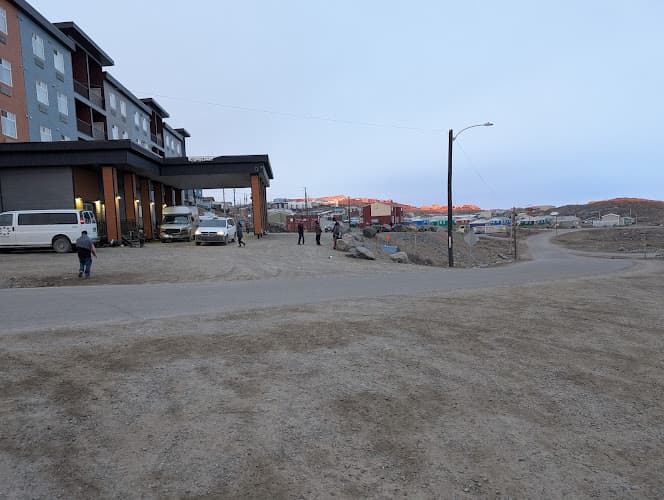
Sailijaaqvik Boarding Home
Iqaluit, NU
3.6Contact for pricing: (867) 877-5227
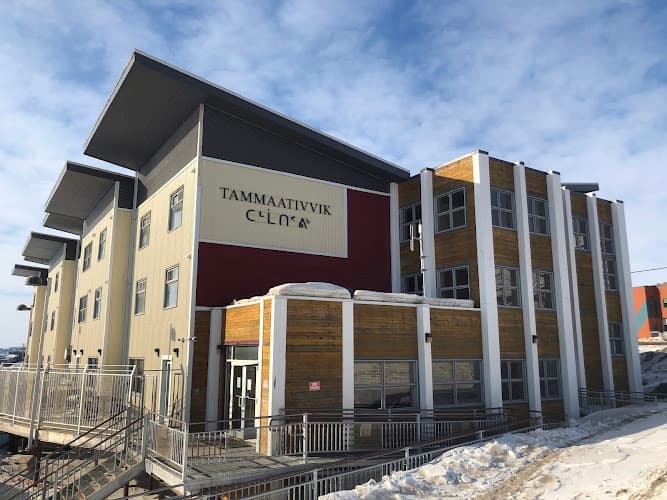
Tammaativvik Boarding Home
Iqaluit, NU
3.8Contact for pricing: (867) 877-5227
Senior homes in Iqaluit: a local guide
SeniorHome.ca lists 20 senior homes and related senior housing options in Iqaluit, the largest concentration of listings anywhere in Nunavut. There is no published median starting rate for Iqaluit, and families should expect no open-market price list — costs here depend far more on care level, housing eligibility and territorial funding than on comparison shopping between competing private operators.
Where senior homes are in Iqaluit
Most of the city's listed communities cluster around Niaqunngusiariaq, where you'll find Akausisarvik, the Tammaativvik Boarding Home, the Sailijaaqvik Boarding Home and the Ivavik Building, all within a few blocks of each other. Other listings are spread across the rest of the city, including Iqaluit Square on Sinaa St, the Abe Okpik Community Hall on Aiggilii, and a cluster of addresses along Road to Nowhere, including Road to Nowhere Park, 4096A and 4104 Bridge. Several listings, such as 935 Saputit Place and 1104 B, are standalone addresses rather than part of a larger campus. Iqaluit does not yet have dedicated neighbourhood pages on this site, so the listings above are the best starting point for narrowing a search by location.
What senior homes cost in Iqaluit
None of the Iqaluit communities in our data carry a published monthly starting rate, and the territory-wide picture is the same: Nunavut has almost no private retirement home market, so there is no city-to-city price comparison to make between Iqaluit and the other places tracked in our provincial data, Baker Lake, Igloolik and Sanikiluaq — none of those communities have a published median rate either. What determines an elder's actual monthly costs in Iqaluit is a mix of publicly funded care programs, housing and living costs (rent, food, fuel, travel), and income supports such as the Senior Citizen Supplementary Benefit. Before budgeting, ask the Territorial Home and Continuing Care Program directly what, if anything, a resident is expected to contribute. See our cost of senior living in Iqaluit page for more detail, and the territorial overview of senior homes in Nunavut for how Iqaluit fits into the bigger picture.
Public long-term care and home care in Iqaluit
Long-term care and home care in Iqaluit, as across Nunavut, are run directly by the Government of Nunavut's Department of Health — there is no regional health authority purchasing beds the way there is in most provinces. The starting point for any family is the local community health centre, which can arrange a Home and Community Care assessment; no doctor's referral is required. That assessment determines an elder's care level, which in turn determines whether they're eligible for an assisted-living style Elders Home (Level 2 or 3) or a residential Continuing Care Centre (Level 4 or 5) — though neither of these facility types is located in Iqaluit itself under the territorial description, so admission may mean a move to another community or, for complex or dementia-related needs, out-of-territory placement made in consultation with the family. Admissions to higher-level care are coordinated jointly by the client and family, the regional care team, and the Department of Health's Territorial Continuing Care Coordinator. Anyone needing direction can also call the Elder's Support Line. Many of Iqaluit's listed communities, including the boarding homes and standalone addresses noted above, function as elders' or supportive housing rather than as licensed nursing homes, so it's worth asking each one directly what level of care, if any, is provided on site.
How to choose a senior home in Iqaluit
- Start with an assessment, not a listing. Call the community health centre for a Home and Community Care assessment before touring any residence — it determines what an elder actually qualifies for.
- Ask what care level the home supports. Boarding homes and housing-style listings in Iqaluit vary widely in whether they offer any on-site health support; confirm this directly with each community.
- Confirm Nunavut Health Care Plan enrolment and age eligibility (55+) if applying for Elders Home or Continuing Care Centre programs.
- Ask about language and culture. Find out whether Inuktut is spoken by staff and whether country food and cultural programming are part of daily life.
- Clarify costs in writing. Ask about rent, resident contributions, and who covers travel costs for family visits before committing.
- Check capacity and waiting lists. Bed numbers in Nunavut are limited territory-wide, so ask directly about current availability and prioritization.
- Use a free assessment to help match an elder's needs to the right option: see our free care assessment.
Sources
Frequently asked questions
How many retirement homes are in Iqaluit?
SeniorHome.ca lists 2 senior living communities in Iqaluit, including independent living (1), retirement residences (1).
What types of senior care are available in Iqaluit?
Options in Iqaluit include independent living, retirement residences.