Senior Homes in Northwest Territories
Retirement homes & senior living communities in Northwest Territories
11 communities across 3 cities in Northwest Territories
Browse by Type
Communities in Northwest Territories
Borealis Housing Co-Operative
Yellowknife, NT
5.0Contact for pricing: (867) 877-5227
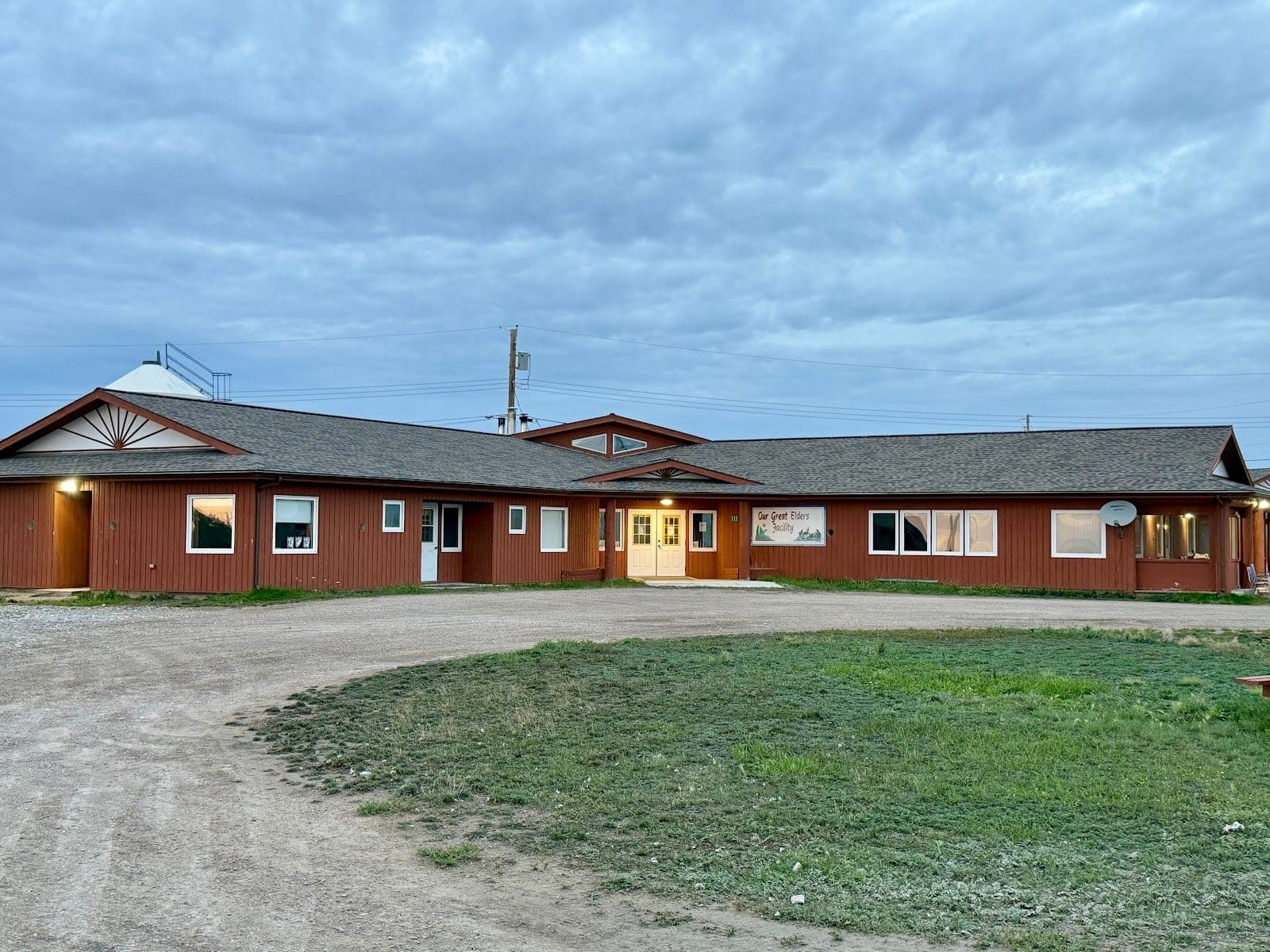
Deninu Kue Seniors Society
Fort Resolution, NT
Contact for pricing: (867) 877-5227
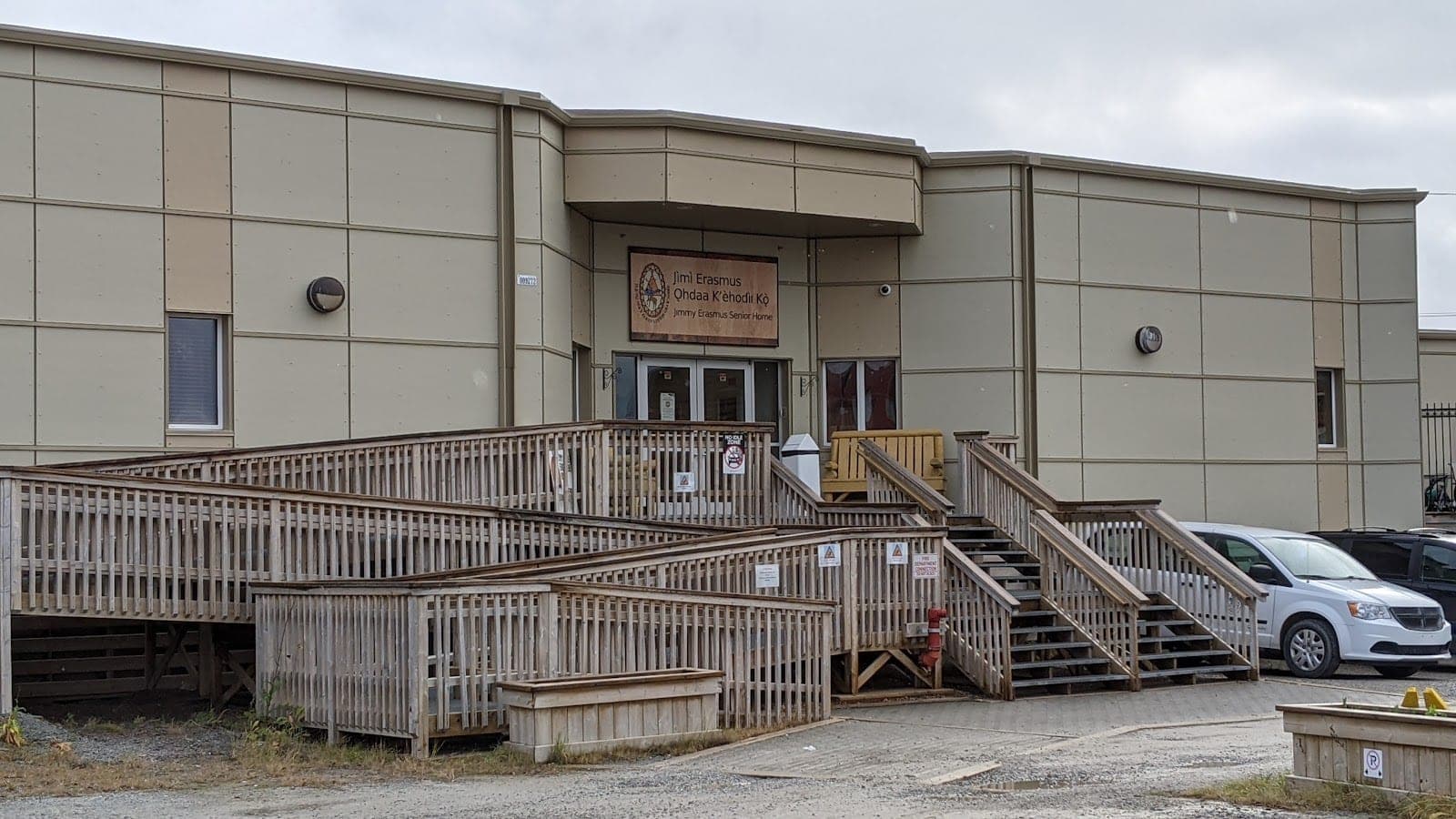
Jimmy Erasmus Senior Home
Behchokǫ̀, NT
4.0Contact for pricing: (867) 877-5227
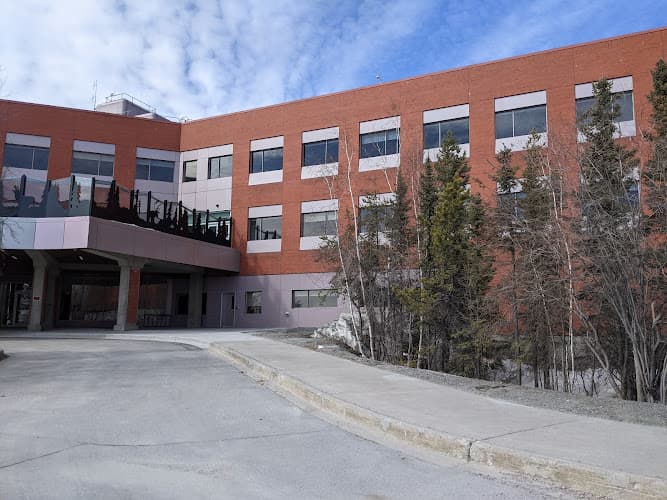
Łıwegǫ̀atì Primary Care Clinic
Yellowknife, NT
5.0Contact for pricing: (867) 877-5227
NT Home Care Svc
Yellowknife, NT
Contact for pricing: (867) 877-5227
NWT Network to Prevent Abuse of Older Adults
Yellowknife, NT
Contact for pricing: (867) 877-5227
Cities in Northwest Territories
Senior homes in Northwest Territories: a provincial guide
SeniorHome.ca lists 11 senior homes and senior care services across the Northwest Territories, including 2 nursing homes, 2 palliative care providers and 1 home care provider. Nine of the eleven are in Yellowknife, with one each in Behchokǫ̀ and Fort Resolution. Starting rates are not published for territorial communities in our directory: long-term care here is funded by the Government of the Northwest Territories, and residents pay a set monthly charge for room and board rather than a private market rent.
Types of senior homes in the Northwest Territories and what they're called locally
Families searching for “retirement homes” in the NWT will mostly find publicly funded options rather than private seniors' residences. The main categories are:
- Long-term care facilities (nursing homes). These provide accommodation, supervisory care, personal care and 24-hour nursing and medical services. Locally they are often named “special care homes” or elders' facilities — for example, Northern Lights Special Care Home, operated by the Northwest Territories Health and Social Services Authority (NTHSSA) in the Fort Smith region.
- Supported living. A separate GNWT-funded stream for people who need help with daily living but do not need full long-term care. Applications are reviewed territorially.
- Home and community care. Nursing, personal support, caregiver support and respite delivered in a person's own home by NTHSSA staff, including the home care services listed in our directory.
- Respite and palliative care. Short-stay respite is available in long-term care for people with an assessed care need, and palliative care is offered through health centres and care homes.
- Seniors' housing and aging in place. Subsidized independent apartments for seniors exist in Yellowknife, where Avens provides subsidized independent housing as well as residential care, and NWT Housing's Seniors Aging in Place funding helps residents 60 and older pay for home repairs and energy upgrades so they can stay in their own homes longer.
What senior homes cost in the Northwest Territories
Our directory does not list a starting rate for any of the 11 NWT communities, and that reflects how the system works. Under the NWT Long Term Care Standards, the cost of room and board at a long-term care facility — plus travel to and from the facility — is the responsibility of the resident or their delegate, while the care itself is publicly funded. Residents and families sign a service agreement and are told in advance which costs they are responsible for and what payment options exist.
Published cost-of-care summaries put the nursing home charge in the Northwest Territories at roughly $976 per month, covering room, board and medical services, with personal items and extra services paid separately. Confirm the current amount with NTHSSA before you build a budget. The subsidy behind that figure is large: a GNWT long-term care program review found that revenue recovered from residents equalled only about 4 to 6 per cent of program expenses over a five-year period — effectively a subsidy of roughly 95 per cent.
Because the rate is set territorially rather than by each home, charges do not swing between Yellowknife (9 communities), Behchokǫ̀ and Fort Resolution (1 each) the way private rents do between southern cities. What varies is availability: Yellowknife has the most options, so families from smaller communities also weigh travel costs and the distance from home. For wider comparisons, see our overviews of the cost of senior living in the Northwest Territories and the cost of senior living across Canada.
Public long-term care and home care: who runs it and how to apply
Health and social services are delivered by the Northwest Territories Health and Social Services Authority (NTHSSA), under the GNWT Department of Health and Social Services.
- Long-term care placement. Access to GNWT-funded long-term care is through application to the Territorial Admissions Committee (TAC), a single point of entry that determines eligibility and priority so that access is fair and equitable across the territory. The stated goal is care as close to a person's home community as possible.
- Who qualifies. Applicants must hold a valid NWT health care card, be 19 or older and submit a continuing care assessment. The same basic criteria apply to respite stays in long-term care.
- Supported living. Applications go to the Committee for Applications to Supported Living (CASL), a territorial committee that provides a single entry point for GNWT-funded supported living services.
- Home care. Anyone living in the territory with a valid NWT health card is eligible for Home and Community Care; an application is required, and a referral can come from any source, including the client, a family member, a community member or a health care provider. Once accepted, a care plan is developed with the client, the family and the nurse, and can include caregiver support and respite services.
- Staying at home. NWT Housing's Seniors Aging in Place funding supports repairs and energy upgrades for homeowners 60 and older.
Regulation and how to check a home
The GNWT publishes the Northwest Territories Long Term Care Standards, and health and social services authorities are expected to assess their operational plans and ensure the Standards are met. The Standards also set out what every resident must be told: their rights and responsibilities, their care plan, their opportunity to take part in a resident council, and the costs they are responsible for along with payment options. When you tour a senior home, ask how the resident council works, how often care plans are reviewed, how staffing is covered on evenings and weekends, what cultural and Indigenous-language supports are offered, and exactly what the monthly charge does and does not include. A free care assessment can help you judge whether home care or long-term care is the right starting point.
Where to start
- Contact your community health centre or NTHSSA office and ask for a continuing care assessment — it is the gateway to home care, supported living and long-term care.
- Apply through the Territorial Admissions Committee for long-term care, or through CASL for supported living.
- Call the NWT Seniors' Society Seniors' Information Line at 1-800-661-0878 (867-920-7444 in Yellowknife). It is a confidential, territory-wide point of contact for seniors, elders, caregivers and family members looking for programs and services.
- Compare what is available locally through our lists of senior homes in Yellowknife, senior homes in Behchokǫ̀, senior homes in Fort Resolution and nursing homes across the territory.
Sources
- Northwest Territories Long Term Care Standards (GNWT Health and Social Services)
- Committee for Applications to Supported Living (CASL) - GNWT Health and Social Services
- Home and Community Care / Support Services - NTHSSA
- Northwest Territories Long-Term Care Program Review (GNWT)
- Long Term Care in the Northwest Territories - Sun Life cost of care by province
- Seniors' Information Line - NWT Seniors' Society
- Seniors Aging in Place - NWT Housing
- Health and Social Services (NTHSSA Fort Smith region, Northern Lights Special Care Home) - Town of Fort Smith