Senior Homes in Newfoundland and Labrador
Retirement homes & senior living communities in Newfoundland and Labrador
171 communities across 44 cities in Newfoundland and Labrador
Browse by Type
Communities in Newfoundland and Labrador
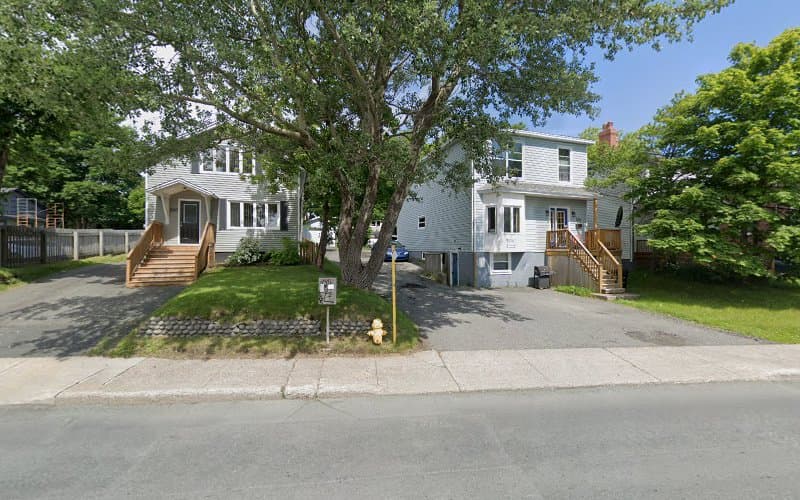
A Better Living Home Care
St. John's, NL
5.0Contact for pricing: (236) 239-2909
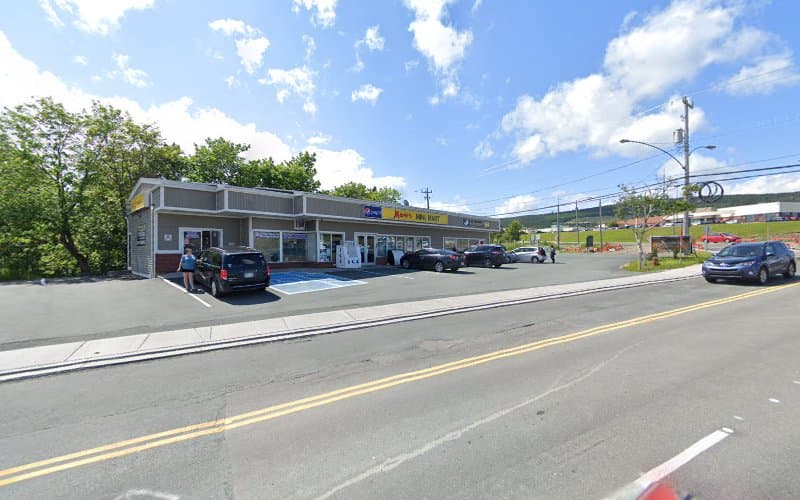
A New Beginning Home Support Agency
Mount Pearl, NL
4.0Contact for pricing: (236) 239-2909
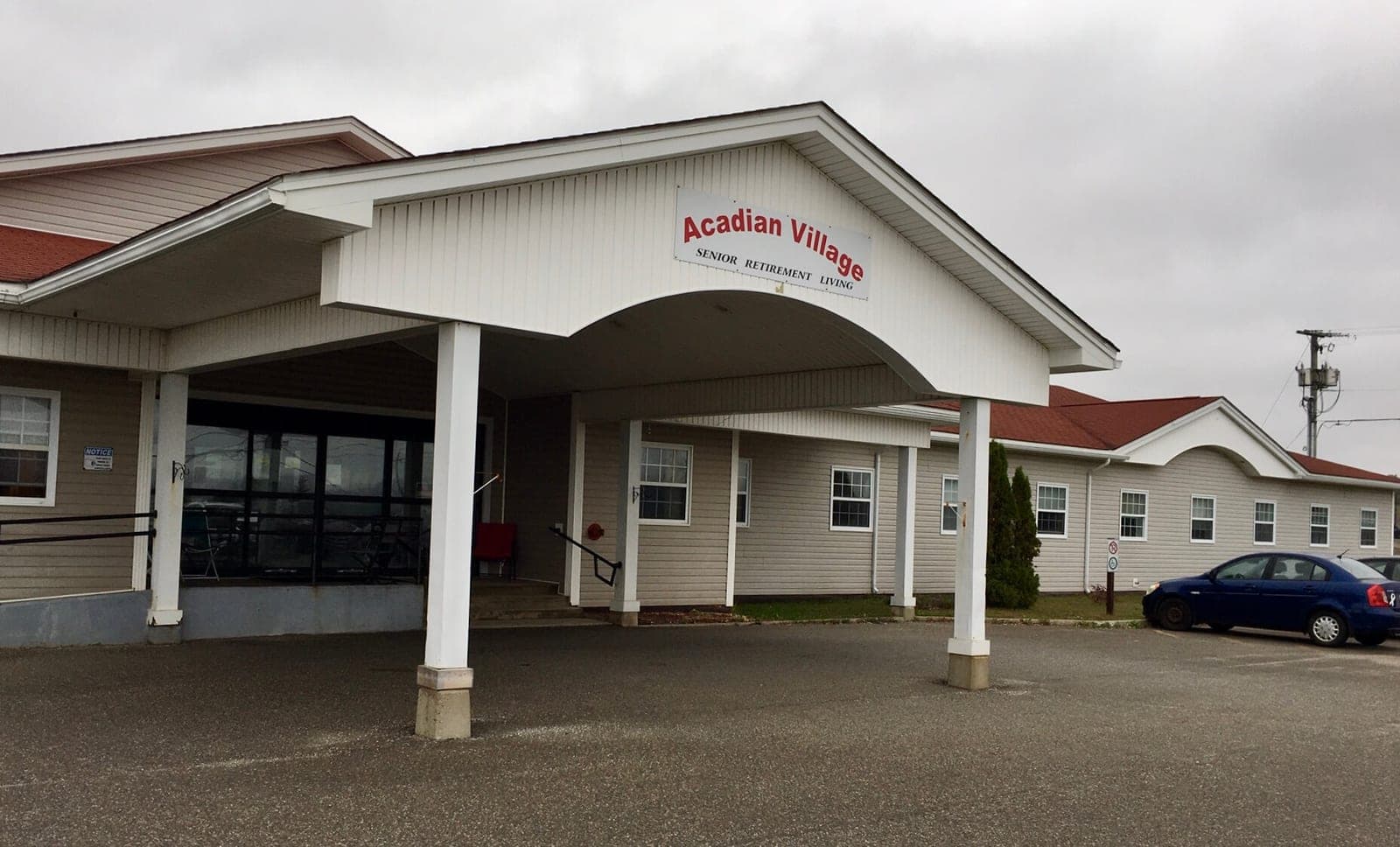
Acadian Village
Stephenville, NL
Contact for pricing: (236) 239-2909
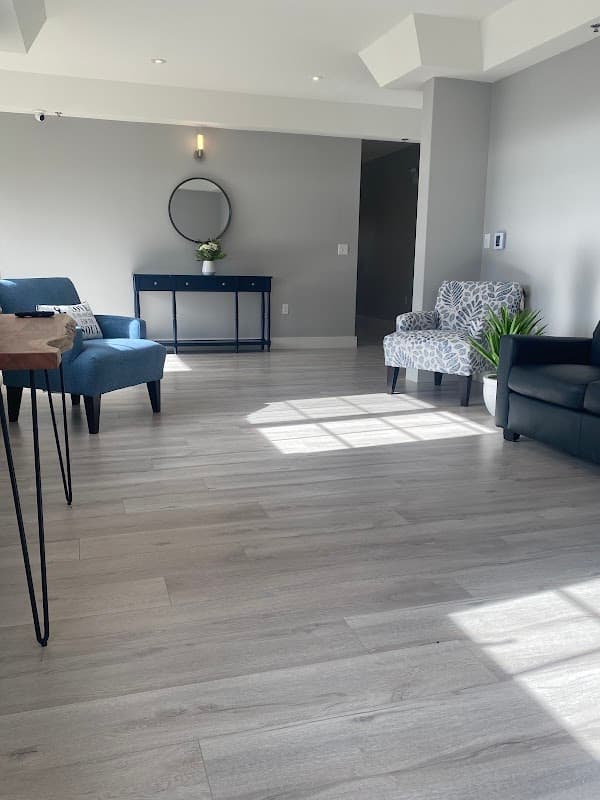
Alderwood Retirement Centre
Witless Bay, NL
4.0$2,165 – $4,113/moest.
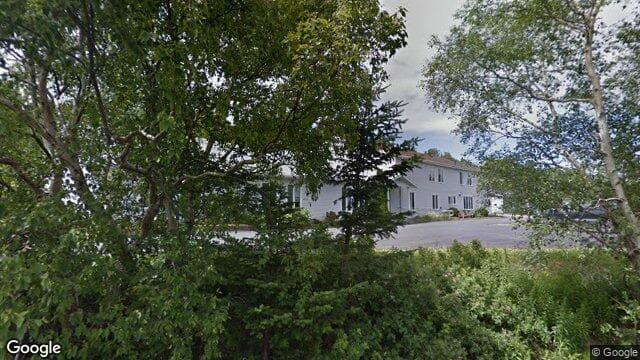
Allisons Manor
Conception Bay South, NL
Contact for pricing: (236) 239-2909

Amplifon Hearing Clinic (Formerly Newlife Hearing Health Centre)
Carbonear, NL
5.0Contact for pricing: (236) 239-2909
Cities in Newfoundland and Labrador
St. John's
33Conception Bay South
18Corner Brook
17Grand Falls-Windsor
14Clarenville
11Mount Pearl
9Carbonear
7Gander
6Bay Roberts
4Bonavista
4Happy Valley-Goose Bay
4Holyrood
3Lewisporte
3Marystown
3Stephenville
3Baie Verte
2Codroy
2Glovertown
2Grand Bank
2Irishtown-Summerside
2Paradise
2Springdale
2The Motion
2Bishop's Falls
1Botwood
1Brown's Arm
1Deer Lake
1Harbour Grace
1Mary's Harbour
1New-Wes-Valley
1Old Perlican
1Placentia
1Robinsons
1Saint Anthony
1Spaniard's Bay
1Stephenville Crossing
1Torbay
1Whiteway
1Witless Bay
1Arnold's Cove
Dildo
Musgrave Harbour
St. Lawrence
St. Mary’s
Prices mentioned below are SeniorHome.ca estimates, not rates published by the communities. Ask each community for its current rates.
Senior homes in Newfoundland and Labrador: a provincial guide
SeniorHome.ca lists 89 senior homes in Newfoundland and Labrador, from retirement residences in St. John's and Conception Bay South to nursing homes and personal care homes in smaller towns along the coast and in Labrador. The median starting rate is about $1,596 per month, with most listed care types starting between roughly $1,435 and $2,165 depending on the level of support. Publicly funded long-term care is arranged through NL Health Services after a clinical assessment, and what a resident pays is income-tested.
Types of senior homes in Newfoundland and Labrador and what they're called locally
The province uses two main terms that families should learn early. A personal care home is a privately owned, for-profit residence for seniors who need help with daily living but not on-site nursing; a long-term care facility (commonly called a nursing home) is publicly operated and provides professional health and nursing services on site. Marketing words like "retirement home" or "assisted living" usually describe a personal care home or a private retirement residence.
- Nursing homes in Newfoundland and Labrador — 22 communities offering long-term care with 24-hour nursing.
- Assisted living (12) and retirement residences (12) — meals, housekeeping and personal care in a residential setting, most often a licensed personal care home.
- Independent living (6) — seniors' apartments and life-lease suites for people who manage on their own.
- Memory care (10) — secure settings and dementia programming, usually a unit inside a larger home.
- Respite care (20) and palliative care (10) — short stays that give a caregiver a break, and end-of-life support.
- Home care (3) and adult day programs (2) — support that helps someone stay in their own house longer.
Personal care homes are licensed by care level. NL Health Services ranks an applicant's needs as Level I, II, Enhanced Care, III or IV, and personal care homes may be licensed to provide Level I, II or Enhanced Care — higher levels point to long-term care.
What senior homes cost in Newfoundland and Labrador
Starting rates on SeniorHome.ca are monthly private-pay prices before extra services. Across the province the median start is $1,596. By care type, the medians are: retirement residences $2,165, assisted living $2,068, independent living $1,874, home care $1,704, adult day programs $1,638, nursing homes, memory care and respite care $1,464, and palliative care $1,435. Not every home publishes a rate, so medians are based on the homes that do.
Prices vary more by community than most families expect. St. John's has the most choice with 22 communities and a median start of $1,522, while Conception Bay South (19 communities) sits higher at $2,087 because its mix leans toward private retirement living. Corner Brook (17) has a median of $1,667, and Mount Pearl (8) is the lowest of the larger centres at $1,464. Outside the northeast Avalon, options are thinner but affordable: Grand Falls-Windsor starts at $1,348 and Happy Valley-Goose Bay at $1,652. Compare the full picture on our cost of senior living in Newfoundland and Labrador page.
Public long-term care and home care: who runs it and what's subsidized
Newfoundland and Labrador Health Services (NL Health Services) delivers long-term care, home support and personal care home placement through five zones — Eastern Urban, Eastern Rural, Central, Western and Labrador-Grenfell — under the Department of Health and Community Services. To start, a family calls the zone office and a health professional completes a clinical assessment of daily tasks such as bathing, dressing, cooking and moving around, overall health, safety concerns and the supports already in place. In the Western Zone, applicants are also asked to have a medical completed by a physician at their own cost.
A financial assessment is requested separately if you want a subsidy. Key points families should know:
- The maximum charge to live in a long-term care facility is $2,990 per month, and a subsidy may cover all or part of it.
- The test is an income test based on net income from your Canada Revenue Agency Notice of Assessment; since November 2018 savings and investments are not counted.
- There is no requirement to sell your house, and anyone approved for a subsidy keeps at least $150 per month for personal use.
- Personal care home residents who pay privately pay the home's own rate, but can request a financial assessment for a provincial subsidy.
- The Provincial Home Support Program funds personal care, homemaking, respite and behavioural support for residents including seniors 65+, with a subsidy up to a maximum financial ceiling after a functional and financial assessment.
Other provincial supports include the Aging Well at Home Grant (up to $400 a year for low-income seniors) and the Caregiver Benefit ($400 a month for eligible unpaid caregivers).
Regulation and how to check a home
The Health and Community Services Act gives the Department of Health and Community Services overall responsibility for regulating personal care homes, while NL Health Services licenses and monitors them against the Personal Care Home Regulations and provincial standards. The Department of Government Services carries out annual, unannounced environmental health, fire and life safety, and food premises inspections, and NL Health Services considers those results when deciding licensure status.
- Ask to see the licence — homes must post it in a place visible to the public.
- Check the province's personal care home contact list, which publishes each home's licensure status and the care levels it is licensed to provide.
- Confirm which level the home is licensed for against the level your parent was assessed at, so a move isn't undone months later.
- Ask what happens if needs increase, how a subsidy is applied, and what is extra on top of the starting rate.
Where to start
Call your NL Health Services zone to request the clinical assessment — Eastern Urban 709-752-4835, Eastern Rural 709-786-5217, Central 1-833-210-8491, Western 1-866-566-3787, Labrador-Grenfell 1-833-284-4751 — and ask for the financial assessment at the same time if cost is a concern. For general program information, the Department of Seniors can be reached toll-free at 1-866-883-6600, and 211 connects you to community and social services across the province; SeniorsNL also offers free information and referral for people 50 and older. While the public process runs, tour private options nearby — Paradise, Torbay, Harbour Grace and Clarenville all have listed homes — or start with a free care assessment to narrow the list to homes that match the care level and budget.
Sources
- How to Apply – Seniors, Government of Newfoundland and Labrador
- Long-Term Care Facilities and Personal Care Homes FAQ – Health and Community Services
- Personal Care Homes – Health and Community Services
- Personal Care Home Inspections – Government Services
- Personal Care Home Contact List and Licensure Status (December 2025)
- Personal Care Home Regulations, NLR 15/01 (Health and Community Services Act)
- Financial Information – Seniors, Government of Newfoundland and Labrador
- Provincial Home Support Program Operational Standards